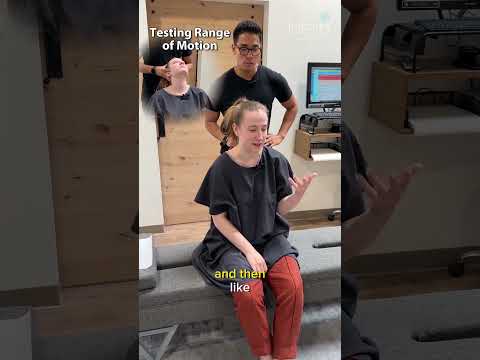
Can neck problems really cause headaches?
Yes. Many recurring headaches start in the neck. When the joints in the upper cervical spine lose mobility and the surrounding muscles tighten, tension builds at the base of the skull and can refer pain up into the head, around the temples, or behind the eyes. These are often called cervicogenic or tension-type headaches, and they tend to come with a stiff neck, tight shoulders, or pain that worsens after long hours at a desk. Not every headache comes from the neck, which is why an accurate evaluation is always the first step at Intero.
What are the most common causes of neck pain?
Neck pain most commonly stems from muscle strain, poor posture, and spinal misalignment. Prolonged sitting at a desk, looking down at a phone, or sleeping in an awkward position places significant stress on the cervical spine. Over time, the surrounding muscles tighten and the joints become restricted, leading to pain, stiffness, reduced range of motion, and often headaches. Disc issues, past injuries like whiplash, and degenerative changes can also contribute. Getting to the root cause, rather than just managing symptoms, is what produces lasting relief.
What is text neck and can it be treated?
Text neck is the strain that develops from repeatedly looking down at a phone, tablet, or laptop. Your head weighs roughly 10 to 12 pounds in a neutral position, but as it tilts forward the load on your cervical spine climbs dramatically, reaching 40 to 60 pounds of force at a 60-degree tilt. Over time this causes muscle fatigue, misalignment, and in persistent cases a measurable change in the natural curve of the neck. The good news is that it's very treatable, especially when addressed early. Adjustments target the restrictions forward head posture creates, while specific exercises help restore the neck's natural curve.
I've had neck pain and headaches for months. Why haven't they gone away on their own?
Neck pain and headaches that keep coming back usually mean the structural cause hasn't been addressed. Pain relievers, rest, massage, and stretching can reduce symptoms temporarily, but they don't correct restricted joints or a neck that has adapted to forward head posture. Until that underlying issue is corrected, the tension keeps rebuilding and the headaches keep returning. That's why we start with imaging and a full assessment before building a care plan.
How long will it take before I feel relief?
This depends on how long you've had the condition, the severity of the problem, and how your body responds to care. Some patients notice significant improvement within the first few weeks. Others with long-standing or complex cases take longer to see full results.
After your diagnostic appointment, your doctor will give you a realistic, data-based timeline specific to your spine. Our goal is always to give you an honest picture of what to expect.
Do you take insurance?
We accept Medicare, but Medicare does not cover the first visit, which is $197 and covers all your diagnostics. For qualifying personal injury cases, your care can be paid from your settlement. We don't bill other insurance directly, but we accept HSA and FSA cards and provide a superbill you can submit for reimbursement. This approach allows us to provide personalized treatment plans, diagnostic methods, and cutting-edge techniques without the limitations often imposed by insurance companies. Our focus is on delivering the most effective care to achieve lasting results, which we believe leads to better health outcomes and lower healthcare costs in the long run.
How many visits will I need and how much will it cost?
This depends on your goals as well as the extent of the problems. After we conduct a thorough Funneled Diagnosis™, which includes a case history, a 30-point exam, nerve assessments, and full-spine X-rays, we will be able to give you an estimated timeline as well as the budgetary cost to achieve your health goals.
Do I need to take X-rays?
X-rays are essential to our diagnostic process. They allow us to thoroughly examine your spine before treatment, ensuring we provide the most accurate and effective care. We perform all X-rays in-house for your convenience.
If you have full-spine X-rays taken within the last year, we can use those instead. If you have a contraindication such as pregnancy or radiation therapy, please let us know and we will modify accordingly with a more detailed postural examination.
Will I get adjusted on the first day?
Typically, we don't perform adjustments on the first visit. Your initial appointment is dedicated to comprehensive diagnostics, including a thorough examination and imaging. This allows us to accurately identify the root cause of your issues before beginning any treatment.
If you're experiencing extreme pain, our doctors can provide an adjustment on the first day if absolutely necessary. For most patients though, waiting for a complete diagnosis results in significantly better outcomes. Our priority is your long-term health, not just temporary symptom relief.
Which doctor will I see?
We assign a specific doctor to your case after your initial diagnostic appointment. This approach allows us to match you with the practitioner best suited to address your unique health needs, ensuring optimal results for your care.
If you have a preference based on our online profiles, we're happy to note your request. Our primary goal is to pair you with the doctor we believe will be most effective for your specific condition.
How often do I need chiropractic care?
The frequency of your care depends on your specific condition and how long you've been experiencing issues. Initially you may need more frequent visits as we address pain or structural problems. As your condition improves, we'll gradually reduce the frequency of your appointments.
Our ultimate goal is to transition you to a maintenance plan with less frequent visits. Think of it like dental care: regular check-ups keep your spine healthy and catch potential problems early. Our aim is for you to need us less over time, not more.